The Chicago Bungalow Kitchen: How to Remodel Without Losing What Makes It Special
On working with the constraints and gifts of one of Chicago's most beloved home types
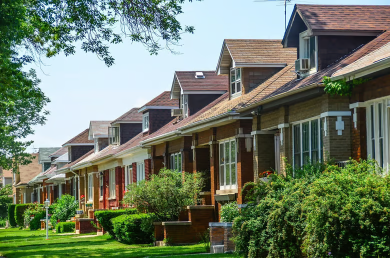
Chicago has more bungalows than any other city in America. An estimated 80,000 of them, built primarily between 1910 and 1940, spread across neighborhoods from Beverly and Morgan Park on the South Side to Portage Park and Jefferson Park on the Northwest Side. They are one of the city's great architectural gifts — compact, sturdy, beautifully detailed, and built to last in a way that has proven itself over more than a century.
They also present a specific and fascinating challenge when it comes to the kitchen.
The Bungalow Kitchen: What You're Working With
The original bungalow kitchen was designed for a different era of domestic life. It was a working room, separate from the rest of the house, with utilitarian fittings and a layout organized around efficiency rather than openness or social connection. The typical dimensions are modest — often nine or ten feet wide, with a single wall of windows overlooking the backyard.
What the original bungalow kitchen has in its favor:
Character. Original tile floors, painted plaster walls, trim profiles that run consistently through the whole house — these are details that many homeowners tear out and later wish they hadn't. The existing architecture in a well-preserved bungalow kitchen is worth understanding carefully before touching anything.
Natural light. Most bungalow kitchens have a window over the sink and often additional windows on a perpendicular wall. The light in these rooms, particularly in late morning, is often genuinely lovely.
A coherent architectural language. The proportions, trim profiles, and millwork details of a bungalow kitchen are part of a system that runs through the whole house. A remodel that ignores this system — that drops a contemporary kitchen into a bungalow without acknowledgment of its context — tends to feel jarring.
The Layout Challenge
The most common constraint in a Chicago bungalow kitchen is square footage. You're typically working with a room that is between 100 and 150 square feet, with a layout that is either galley or L-shaped.
In these rooms, every inch matters, and the decisions that matter most are:
The refrigerator location. In a galley kitchen, the refrigerator almost always wants to be at one end rather than in the middle of a run of cabinetry. When it sits mid-run, it breaks the visual continuity and typically reduces the useful counter space on either side of it.
Upper cabinet height. In a bungalow with lower ceilings — typically around eight feet — tall upper cabinets that run to the ceiling maximize storage and make the room feel more purposeful. The gap between the top of the cabinet and the ceiling, common in cheaper renovations, looks unfinished and collects dust.
The island question. Bungalow kitchens are often not wide enough for a traditional island with comfortable passage on both sides. A movable butcher block cart, or a peninsula that connects to a wall, is often the more honest answer.
Cabinet Choices for a Bungalow
The cabinetry in a bungalow kitchen should be in conversation with the rest of the house's millwork. This doesn't mean matching it exactly — it means understanding the vocabulary (the trim profiles, the panel details, the proportions) and specifying cabinets that feel like they belong in the same building.
Shaker doors are the most natural choice for a bungalow kitchen. The simplicity and honesty of the Shaker profile aligns well with the utilitarian craft character of Chicago's bungalow architecture. The detail is substantial enough to have presence without competing with the room's existing elements.
Inset construction is the architecturally ideal approach in a bungalow — it references the way cabinetry was actually built when the houses were new, and it produces a room that feels like it has always been there. If budget is a constraint, a well-specified overlay shaker cabinet is perfectly appropriate.
Paint colors for a bungalow kitchen: The most successful colors tend to be those that reference the natural world — soft greens, warm whites, grayed blues, creamy off-whites. Colors that feel too contemporary or too saturated tend to fight with the architecture.
What to Preserve, What to Update
This is the most important conversation in a bungalow kitchen remodel, and one that is worth having honestly before the demolition begins.
Preserve: Original tile floors, where intact and in good condition. Original plaster walls, where structurally sound. Existing windows — the proportions of original bungalow windows are often better than what would replace them. Any original built-ins or glass-front cabinet openings that can be incorporated into the new design.
Update: Plumbing and electrical — typically necessary in a house of this age and well worth doing properly while the walls are open. Lighting — original bungalow kitchens are often chronically under-lit, and a thoughtful lighting plan changes the room significantly. The layout, where it genuinely doesn't serve how you cook.
Approach carefully: Removing walls. Opening a bungalow kitchen to the dining room or living room is popular, and in some homes it produces a genuinely better result. In others, it sacrifices the defining character of the house — the sense of discrete rooms, each with its own purpose — without producing equivalent value. It's worth living in the house for a season before deciding.
Beverly Cabinets is based in Beverly and has spent years working in Chicago bungalows, two-flats, and Prairie-style homes across the South Side. We understand this architecture. We know what works in these rooms and what doesn't, and we bring that knowledge to every project.