How to Budget a Kitchen Remodel in Chicago
What things actually cost, where to spend, where to save, and how to avoid the mistakes that blow budgets
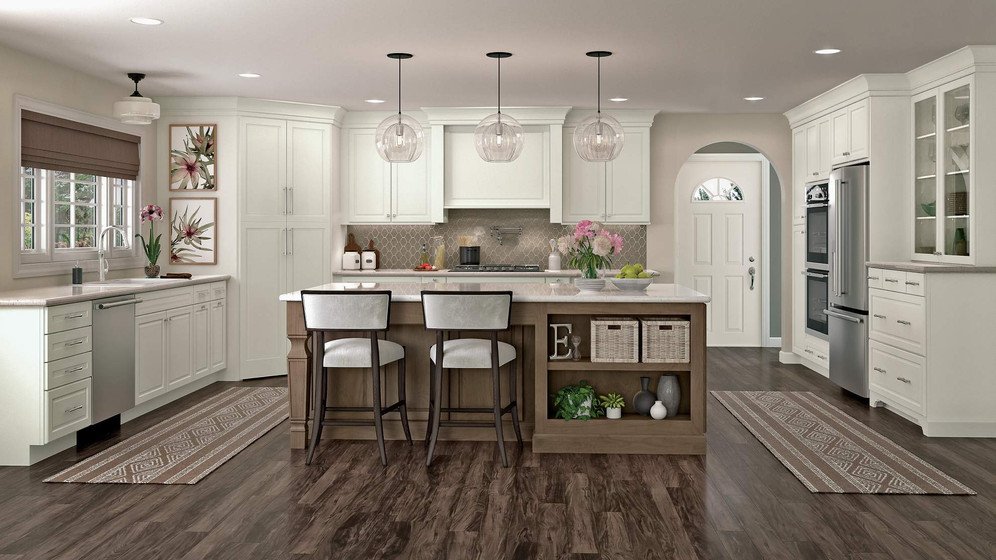
The most searched question in kitchen remodeling, year after year, is some version of: how much is this going to cost?
It's the right question to ask. It's also one of the hardest to answer honestly, because kitchen remodel costs vary so dramatically depending on scope, material choices, existing conditions, and the specific contractors involved. The range is genuinely wide — a modest update to an existing kitchen might run $25,000; a full gut renovation with new cabinetry, countertops, appliances, plumbing, and electrical in a larger home can easily reach $100,000 or more.
What we can offer is a framework for thinking about it — one that's grounded in years of working on Chicago South Side homes and honest about where the money actually goes.
Where the Money Goes in a Kitchen Remodel
In a full kitchen renovation, costs typically break down roughly as follows:
Cabinetry: 30–40% of total budget. The largest single line item in most kitchen remodels. This is where the quality difference between a kitchen that looks good at installation and one that looks good at year fifteen is largely determined. Cabinetry is also one of the most complex items to specify correctly — door profile, finish, construction method, interior fittings, and overall layout all affect the final number significantly.
Labor: 20–35%. Installation, rough construction, plumbing, and electrical. In older homes — which describes most kitchens in Beverly, Morgan Park, and Mount Greenwood — labor costs tend to run higher than in new construction because of conditions: plumbing that doesn't meet code, wiring that needs updating, walls that aren't plumb, floors that aren't level. These are not failures of the house; they're normal characteristics of homes of this age, and they require experienced people to work around them.
Countertops: 10–15%. Highly variable depending on material. Natural stone is more expensive than engineered; a large kitchen with multiple countertop zones costs more than a smaller kitchen. This is also an area where the connection between price and quality is fairly direct.
Appliances: 10–15%. Also highly variable. A basic appliance package for a functional kitchen is achievable at a moderate budget; professional-grade ranges and refrigerators are a meaningful additional expense.
Lighting, plumbing fixtures, tile, and hardware: 10–20%. The category where small decisions add up faster than most homeowners anticipate. Hardware alone — multiplied across thirty or more cabinet doors and drawers — can be a $1,500–$4,000 line item depending on the finish and style chosen.
Where to Spend More
Cabinetry construction quality. A kitchen that is remodeled once and done correctly will outlast two kitchens remodeled twice with lower-quality materials. The difference between a well-built cabinet box with proper joinery and a stapled, glued construction is not visible until several years of use — and then it's obvious. This is not the place to find your savings.
Countertops. The surface that takes the most daily abuse and is the most visible. A beautiful countertop elevates even modest cabinetry; a poor one undermines good cabinetry. Natural stone — properly sealed and maintained — lasts indefinitely and improves with age. This is worth the investment.
Plumbing and electrical. In a home of any age in Chicago, properly updated plumbing and electrical is a gift you give to the next twenty years of ownership. Cutting corners here means revisiting it sooner.
Where to Spend Less
The range hood. Plenty of good-looking range hoods exist at moderate price points. The important specifications are CFM (airflow capacity) and duct routing — not the name on the front.
Cabinet interiors. No one sees the inside of the cabinet. Painted interiors, white interiors, veneer interiors — they're all fine. Put the budget on the exterior faces, the hardware, and the construction quality of the box.
Tile. Handmade artisan tile is beautiful. Machine-made tile from a good manufacturer, properly installed, is also beautiful. The difference in how a kitchen looks five years in is less than the difference in cost suggests.
Appliances, up to a point. Professional-grade appliances are worth the investment for people who genuinely cook at that level. For the majority of households, mid-range appliances from established manufacturers perform excellently and cost significantly less.
The Mistakes That Blow Budgets
Under-specifying scope before you start. The single most common cause of budget overruns is change orders — additions and modifications made once demolition has revealed something unexpected, or once the homeowner changes their mind mid-project. The more thoroughly a project is specified before a shovel goes in the ground, the more accurately it can be priced and the fewer surprises arise.
Not accounting for the unexpected in older homes. Every experienced contractor working in Chicago's older housing stock builds contingency into their timeline and budget. If you are not doing the same, you are budgeting for a house that is newer and better-maintained than yours actually is. A 10–15% contingency on top of your base budget is not pessimistic — it's appropriate.
Choosing contractor on price alone. The least expensive bid for a kitchen remodel in Chicago is rarely the least expensive outcome. The cost of repairing work done incorrectly is higher than the cost of doing it correctly the first time.
A Note on the South Side Specifically
Kitchen remodel costs in Beverly, Morgan Park, and Mount Greenwood sit in the same range as comparable projects throughout Chicago. Labor rates are consistent with the city overall; material costs don't vary significantly by neighborhood. What does vary is the level of expertise required to work well in these homes — to understand their architecture, to navigate their idiosyncrasies, and to produce a result that honors what makes them worth renovating in the first place.
Beverly Cabinets can help you develop a realistic scope and specification before the project begins — so you know what you're committing to, and you can make informed decisions about where to invest and where to hold back.